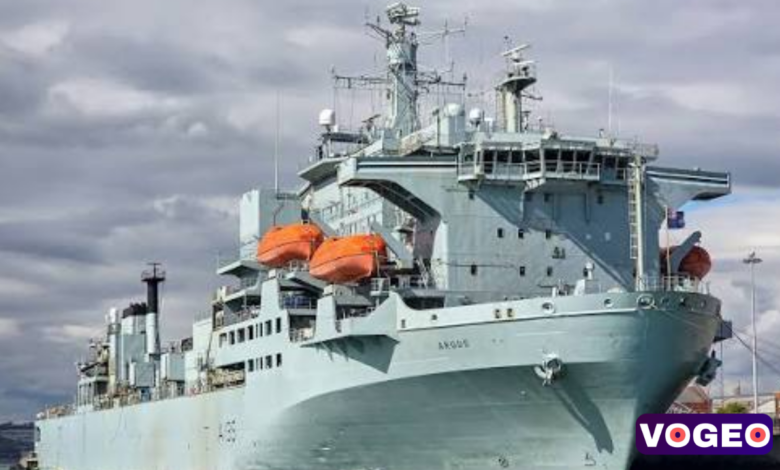
RFA Argus was one of the most versatile support vessels ever operated by the Royal Fleet Auxiliary. Originally built as a civilian container ship, it was later converted for military service and became an important asset for the United Kingdom. Over the years, RFA Argus gained a strong reputation for supporting naval operations, aviation training, and humanitarian missions around the world.
Unlike a traditional hospital ship, RFA Argus served as a Primary Casualty Receiving Ship with advanced medical facilities and aviation capabilities. It was equipped to receive injured personnel during military operations while also supporting disaster relief and emergency response missions. Its flexibility made it a valuable part of the UK’s defence strategy for more than four decades.
History of RFA Argus
The story of RFA Argus began in 1981 when it was launched as the commercial container ship MV Contender Bezant. During the Falklands War in 1982, the vessel was requisitioned by the British Government to provide vital logistical support. Its successful wartime service demonstrated its potential for long-term military use.
Following the conflict, the ship underwent extensive conversion before joining the Royal Fleet Auxiliary. Throughout its long career, it participated in numerous international exercises, humanitarian operations, and military deployments. Its ability to adapt to different roles ensured that it remained relevant even as naval technology continued to evolve.
Inside RFA Argus
One of the most impressive features of RFA Argus was its spacious flight deck and large aviation hangar. The vessel could operate several helicopters simultaneously, making it an excellent platform for aviation training, transport missions, and search and rescue operations. These capabilities allowed the ship to support a wide range of military and humanitarian activities.
Inside the vessel, modern medical facilities included operating theatres, intensive care units, recovery wards, laboratories, and diagnostic equipment. Crew accommodation, command centres, engineering spaces, and maintenance workshops were carefully designed to support extended deployments. The practical interior layout reflected the ship’s multi-role capability throughout its operational life.
Why Was RFA Argus Retired?
After more than forty years of service, age became one of the biggest challenges facing the vessel. Although continuous maintenance kept the ship operational, increasing repair costs and ageing systems made long-term operation less practical. Defence planners recognised that modern naval requirements demanded newer and more efficient support ships.
The retirement of RFA Argus also reflected changing priorities within the Royal Navy and Royal Fleet Auxiliary. Future operations require vessels equipped with advanced technologies, improved aviation facilities, and enhanced medical capabilities. As a result, the decision was made to retire the ship after decades of distinguished service.
Why Was the Safety Certificate Withdrawn?
Many people searched online after reports suggested the ship had become unsafe to sail. In reality, the withdrawal of its safety certification reflected regulatory and operational considerations rather than an immediate danger to those on board. Such certificates are essential for vessels that continue active service and require ongoing compliance with modern maritime standards.
Once retirement had been confirmed, investing in major upgrades to maintain certification no longer represented good value. As a result, preparations focused on safely towing the vessel for decommissioning rather than returning it to operational duty. This decision helped explain why headlines described the ship as being unsafe to sail.
Where Is RFA Argus Now?
Following its retirement, RFA Argus departed Portsmouth for the final time before being towed to Falmouth. The move marked the end of an extraordinary naval career that had lasted more than four decades. The vessel was prepared for de-storing before the scrapping process began, bringing its operational story to a close.
Although many enthusiasts hoped the ship would become a museum or training vessel, those options proved financially unrealistic. Today, the legacy of the ship survives through its remarkable service record and the memories of the thousands of personnel who served aboard during its long career.
What Will Replace RFA Argus?
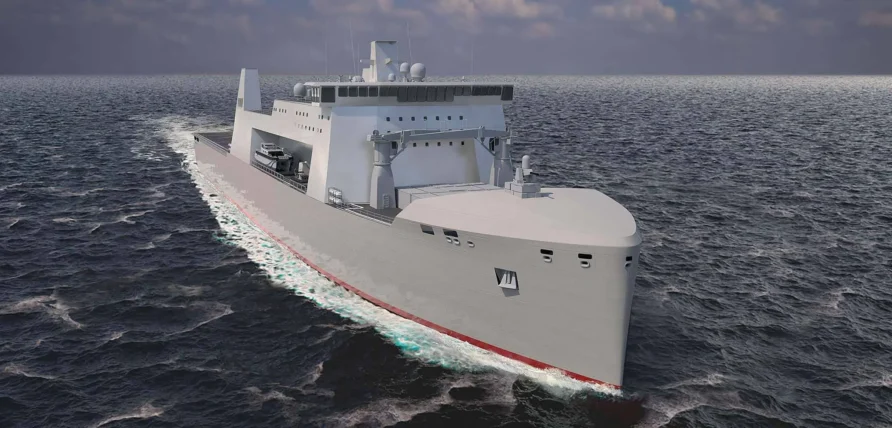
The retirement of the vessel has raised important questions about future medical and aviation support for the Royal Navy. Defence planners have explored several replacement concepts designed to provide improved amphibious capability, advanced aviation support, and modern casualty treatment facilities suitable for future military operations.
While discussions continue regarding replacement programmes, any future vessel is expected to incorporate modern technology, improved sustainability, and greater operational flexibility. Lessons learned from decades of successful service aboard RFA Argus will undoubtedly influence the design and capabilities of future support ships.
RFA Argus in Popular Culture
The unique appearance and capabilities of the ship attracted attention beyond military circles. Many people became familiar with the vessel after references connected it with the film World War Z, where it inspired fictional depictions of large military hospital ships supporting global emergency operations.
Interest in the vessel has also grown through documentaries, news reports, books, and online discussions. Naval enthusiasts frequently search for photographs showing the hangar, flight deck, interior spaces, and operational history, demonstrating the lasting fascination surrounding this remarkable support ship.
Legacy of RFA Argus
The contribution made by RFA Argus extends far beyond its military service. It supported humanitarian relief efforts, disaster response operations, medical evacuations, and countless training exercises. Its combination of aviation support and advanced medical capability made it one of the most unique vessels in the Royal Fleet Auxiliary fleet.
Although the ship has now reached the end of its operational life, its influence continues within British naval history. The experience gained during decades of successful service will help shape future support vessels, ensuring that its legacy remains an important part of the Royal Navy’s continuing evolution.
Conclusion
RFA Argus served the United Kingdom with distinction for more than forty years, evolving from a civilian container ship into one of the Royal Fleet Auxiliary’s most valuable support vessels. Its contributions during the Falklands War, humanitarian missions, aviation training, and casualty care earned widespread respect both at home and overseas.
Although retirement and scrapping marked the end of its remarkable journey, the ship’s legacy continues through the lessons it provided for future naval operations. As new support vessels are developed, the achievements of RFA Argus will remain an enduring chapter in British maritime history.
Frequently Asked Questions
What was RFA Argus used for?
It served as an aviation training and Primary Casualty Receiving Ship, supporting military operations and humanitarian missions.
Why was RFA Argus retired?
The vessel was retired because of its age, increasing maintenance costs, and the need for more modern capabilities.
Where is RFA Argus now?
After leaving Portsmouth, the ship was towed to Falmouth for de-storing before scrapping.
Was RFA Argus a hospital ship?
It was not officially classified as a hospital ship but operated as a Primary Casualty Receiving Ship with advanced medical facilities.
Did RFA Argus serve in the Falklands War?
Yes. The vessel was requisitioned during the Falklands War and played an important support role before later joining the Royal Fleet Auxiliary permanently.
What will replace RFA Argus?
The UK is considering future support ship programmes that will provide improved medical, aviation, and amphibious capabilities for modern naval operations.
Also Read: robert kilroy silk