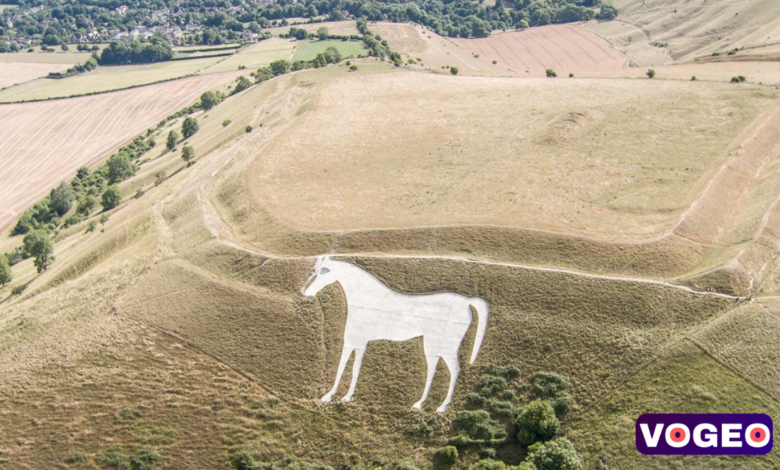
The Westbury White Horse is one of the most iconic landmarks in Wiltshire and a treasured part of England’s cultural heritage. Carved into the chalk hillside above the town of Westbury, this remarkable hill figure has fascinated visitors for centuries with its impressive size, striking appearance, and rich historical background. Whether you are a history enthusiast, a keen walker, or simply looking for an unforgettable countryside destination, the Westbury White Horse offers a unique experience that combines history, nature, and breathtaking scenery.
Known by many as the oldest of Wiltshire’s famous white horses, the westbury white landmark attracts thousands of visitors every year. Its commanding position on the escarpment provides spectacular panoramic views across Salisbury Plain and the surrounding countryside. This guide explores everything you need to know, from its fascinating history and construction to practical visitor information and nearby attractions, making it the perfect resource before planning your visit.
What Is the Westbury White Horse?
The Westbury White Horse is a giant chalk hill figure situated on the steep slopes of Bratton Down, just outside the market town of Westbury in Wiltshire. Visible from miles away, the horse is carefully maintained to preserve its brilliant white appearance against the lush green hillside. It stands as one of England’s most recognisable landmarks and is considered a symbol of both local pride and national heritage.
Unlike many historical monuments enclosed within museums or castles, the westbury white attraction is part of the natural landscape. Visitors can enjoy unrestricted views while walking through the surrounding countryside, making it a favourite destination for photographers, hikers, and families alike. Its unique combination of natural beauty and historical significance ensures that every visit feels both educational and inspiring.
The History of the Westbury White Horse
The history of the Westbury White Horse stretches back hundreds of years and continues to inspire historians and visitors alike. The current figure is believed to date from 1778, replacing an earlier horse that may have existed for centuries before. Many local traditions connect the original carving with King Alfred the Great’s victory over Viking invaders, although historians continue to debate the exact origins of this fascinating landmark.
Throughout its long history, the horse has undergone numerous restoration projects to preserve its distinctive outline. Weather, vegetation, and natural erosion constantly threaten the exposed chalk, requiring regular maintenance by conservation specialists and local volunteers. Thanks to these dedicated efforts, the westbury white landmark continues to look as impressive today as it has for generations, allowing future visitors to appreciate its remarkable heritage.
What Is the Westbury White Horse Made Of?
The Westbury White Horse is formed by cutting through the grassy surface of the hillside to expose the brilliant white chalk beneath. This chalk is a natural feature of the Wiltshire landscape and creates the striking contrast that makes the horse so easily visible from the surrounding countryside. The simple yet effective construction technique has been used for centuries to create several famous hill figures across southern England.
Although the chalk itself is naturally durable, it requires frequent care to maintain its bright appearance. Grass, weeds, and soil gradually cover the exposed surface, making restoration essential every few years. Conservation teams carefully clean and repair the westbury white figure using traditional methods, ensuring that the horse retains its original appearance while protecting its historical value for generations to come.
Why the Westbury White Horse Is So Famous
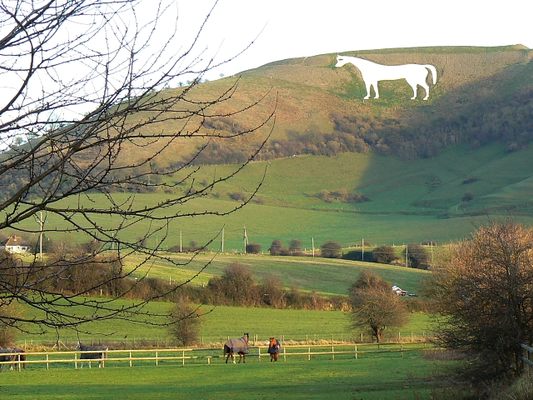
The Westbury White Horse has earned its reputation because of its remarkable history, spectacular location, and cultural importance. As the oldest of the eight famous white horses in Wiltshire, it holds a unique place in English heritage. Visitors are drawn not only by its impressive size but also by the fascinating stories, legends, and historical events associated with its creation and preservation.
Its elevated position overlooking Salisbury Plain also contributes to its popularity. On clear days, visitors can enjoy breathtaking views stretching across miles of beautiful countryside, making the westbury white landmark one of the county’s finest viewpoints. The combination of stunning scenery, historical significance, and easy accessibility makes it one of Wiltshire’s most rewarding attractions throughout every season of the year.
Visiting the Westbury White Horse
Visiting the Westbury White Horse is a memorable experience suitable for individuals, couples, families, and organised groups. The site remains open throughout the year, allowing visitors to enjoy the changing beauty of the surrounding countryside in every season. Spring and summer provide vibrant green landscapes, while autumn offers colourful scenery that creates stunning photographic opportunities around the famous chalk figure.
Before visiting the westbury white attraction, it is advisable to wear suitable walking shoes because some paths include uneven ground and gentle slopes. Bringing water, weather-appropriate clothing, and a camera will help visitors make the most of their trip. The peaceful surroundings and open countryside create a relaxing atmosphere where visitors can enjoy both the natural landscape and the remarkable historical monument.
Walking Around the Westbury White Horse
One of the greatest pleasures of visiting the Westbury White Horse is exploring the excellent walking routes surrounding the site. Several well-maintained footpaths lead visitors through rolling hills, open grassland, and scenic viewpoints that showcase the beauty of Wiltshire’s countryside. These walks are suitable for most fitness levels and provide numerous opportunities to admire the horse from different perspectives.
Walking around the westbury white landmark also allows visitors to experience the area’s rich wildlife and peaceful environment. Depending on the season, walkers may spot colourful wildflowers, birds of prey, grazing livestock, and other native species. The combination of fresh country air, magnificent views, and fascinating history makes every walk an enjoyable experience for outdoor enthusiasts of all ages.
(Part 1 of 2 – Continue with Part 2 for Car Park, Viewpoints, St George’s Cross, Nearby Attractions, Conclusion, and 20 SEO FAQs.)
Westbury White Horse Car Park and Visitor Access
Reaching the Westbury White Horse is straightforward thanks to the convenient visitor car park located close to the site. From the parking area, a short walk takes visitors towards the hillside, where they can enjoy impressive views of the famous chalk figure. Clear signposts and well-used paths make the attraction easy to find, whether you are visiting for the first time or returning to explore more of the surrounding countryside.
Visitors travelling by public transport can also access the westbury white attraction by using local bus services or arriving at Westbury railway station before completing the journey by taxi or on foot. Cycling is another popular option, especially during the warmer months, as the quiet country roads surrounding Bratton Down provide an enjoyable route through some of Wiltshire’s most attractive rural landscapes.
Best Viewpoints and Photography Tips
The Westbury White Horse offers several outstanding viewpoints where visitors can admire its impressive scale and craftsmanship. Standing on the surrounding hills provides panoramic views across Salisbury Plain, making the site one of the most photographed landmarks in Wiltshire. Every season brings a different atmosphere, from the vibrant greens of spring to the golden colours of autumn, ensuring every visit feels unique.
Photography enthusiasts often recommend visiting early in the morning or during the evening when soft natural light enhances the brilliant white chalk against the surrounding landscape. The westbury white landmark also looks particularly striking after light rainfall, when the surrounding grass appears greener and the exposed chalk becomes even more vibrant. Bringing a wide-angle lens or using panoramic mode can help capture the full beauty of the scene.
St George’s Cross and Special Displays
Over the years, the Westbury White Horse has occasionally featured special displays, including the famous St George’s Cross and other symbolic decorations. These temporary displays are usually organised to mark important national celebrations, anniversaries, or community events. They attract considerable public attention and often generate widespread interest among both local residents and visitors from across the United Kingdom.
The occasional appearance of flags or symbolic designs on the westbury white landmark reflects its importance as more than simply a historical monument. It has become a focal point for community pride and national celebrations while remaining carefully protected as an important heritage site. Every display is planned with respect for the monument’s history and conservation requirements, ensuring its long-term preservation.
Bratton Camp and Nearby Attractions
A visit to the Westbury White Horse becomes even more rewarding when combined with nearby attractions. Just above the horse lies Bratton Camp, an impressive Iron Age hillfort that offers a fascinating glimpse into Britain’s ancient past. Visitors can explore the historic earthworks while enjoying magnificent views across the surrounding countryside, making it an ideal destination for history lovers and outdoor enthusiasts alike.
The surrounding area also features charming villages, traditional country pubs, scenic walking routes, and several other famous Wiltshire landmarks. Exploring beyond the westbury white attraction allows visitors to discover the county’s rich history, beautiful landscapes, and welcoming local communities. Many travellers choose to spend an entire day in the area, enjoying both the historic sites and the peaceful rural atmosphere.
Interesting Facts About the Westbury White Horse
The Westbury White Horse is widely recognised as the oldest of Wiltshire’s eight famous white horses, making it one of England’s most significant chalk hill figures. Measuring approximately 180 feet high and 170 feet wide, it dominates the hillside and remains visible from many miles away. Its distinctive shape has become an enduring symbol of the county and continues to attract visitors throughout the year.
Another fascinating feature of the westbury white landmark is the ongoing debate surrounding its true origins. While the present horse dates from the eighteenth century, many historians believe an earlier figure occupied the same location long before then. Local legends linking the horse with King Alfred the Great continue to spark curiosity, adding even greater historical interest to this remarkable attraction.
Visitor Tips for an Enjoyable Experience
Planning ahead can help visitors make the most of their trip to the Westbury White Horse. Comfortable walking shoes are highly recommended because some of the surrounding paths include uneven surfaces and gentle inclines. Checking the weather forecast before travelling is also advisable, as the exposed hillside can become windy or slippery during wet conditions.
Visitors should also remember to respect the natural environment by staying on marked footpaths and taking any litter home. The peaceful setting surrounding the westbury white attraction is one of its greatest strengths, and responsible tourism helps preserve its beauty for future generations. Bringing binoculars, a camera, and refreshments will also enhance the overall experience, particularly during longer countryside walks.
Why the Westbury White Horse Remains a Wiltshire Icon
The Westbury White Horse continues to hold a special place within Wiltshire because it represents centuries of history, local tradition, and outstanding natural beauty. Its striking appearance against the chalk hillside has made it one of England’s most recognisable landmarks, attracting historians, photographers, walkers, and families from across the country. Few historic sites combine cultural importance and scenic beauty as successfully as this remarkable monument.
For anyone exploring southern England, the westbury white destination provides an unforgettable experience that blends heritage with outdoor adventure. Whether you visit for a short walk, a photography trip, or a deeper appreciation of English history, the site offers something memorable in every season. Its timeless appeal ensures it will remain one of Wiltshire’s greatest attractions for many years to come.
Conclusion
The Westbury White Horse is far more than a chalk figure carved into a hillside. It represents centuries of history, remarkable craftsmanship, and the enduring connection between people and the landscape of Wiltshire. From its mysterious origins and regular conservation work to its spectacular countryside setting, every aspect of the monument contributes to its lasting popularity and historical importance.
Whether you are interested in heritage, walking, photography, or simply enjoying one of England’s finest viewpoints, the westbury white attraction offers a rewarding day out. Its combination of fascinating history, natural beauty, and easy accessibility makes it a destination worth visiting at any time of the year. A journey to this iconic landmark promises unforgettable views, rich cultural heritage, and a deeper appreciation of one of Wiltshire’s most treasured sites.
Frequently Asked Questions
What is the Westbury White Horse?
The Westbury White Horse is a large chalk hill figure carved into the hillside near Westbury in Wiltshire, England.
Where is the Westbury White Horse located?
It is located on Bratton Down, approximately 2.5 kilometres east of the town of Westbury in Wiltshire.
How old is the Westbury White Horse?
The current horse dates from 1778, although historians believe an older figure may have existed on the same hillside.
What is the Westbury White Horse made of?
The horse is created by exposing the natural white chalk beneath the grassy hillside.
Is there a car park at the Westbury White Horse?
Yes, visitors can use a nearby car park that provides convenient access to the walking paths.
Can you walk to the Westbury White Horse?
Yes, several scenic walking routes lead to the horse from nearby villages and the visitor car park.
Is the Westbury White Horse free to visit?
Yes, the site is open to the public and can be visited free of charge.
Why is the Westbury White Horse famous?
It is famous for being the oldest of Wiltshire’s white horses and one of England’s most recognisable chalk hill figures.
What is Bratton Camp?
Bratton Camp is an ancient Iron Age hillfort located directly above the Westbury White Horse.
When is the best time to visit the Westbury White Horse?
Spring, summer, and early autumn provide the best weather, although the site is beautiful throughout the year.
Also Read: tannadice park