Team Aelftech com is a digital-focused platform associated with technology, digital marketing and engineering-related knowledge. As businesses increasingly depend on online visibility, reliable websites and measurable marketing strategies, platforms covering these areas can provide useful insight for entrepreneurs, marketers and technology professionals. Understanding the concept behind Team Aelftech com can help readers explore how SEO, web development, content, advertising and technology can work together to create a stronger digital presence.
The modern digital landscape is constantly changing, with search engines, customer expectations and online technologies developing at a rapid pace. Businesses therefore need more than a basic website to compete effectively. They need useful content, technical performance, search visibility and a clear strategy. Team Aelftech com fits into this wider digital environment by bringing attention to services and knowledge connected with online marketing, website development, technology and engineering.
What Is Team Aelftech com?
Team Aelftech com can be viewed as a digital platform and knowledge hub focused on areas such as digital marketing, technology and engineering. These subjects are particularly relevant to businesses that want to improve their online presence and understand the technical foundations supporting modern digital operations. Rather than treating marketing and technology as completely separate disciplines, the broader concept connects them through websites, search engines, content, analytics and digital business strategies.
For people searching for Team Aelftech com, the most useful approach is to understand the different areas associated with the platform and how they relate to practical business objectives. Digital marketing may focus on attracting the right audience, while development and engineering can help create a reliable environment for that audience. Together, these disciplines can support websites that are easier to discover, navigate, manage and improve over time.
Digital Marketing and SEO
Search engine optimisation, commonly known as SEO, is an important part of modern digital marketing. It involves improving a website so that search engines can understand its content and users can find useful information more easily. Effective SEO can involve keyword research, content optimisation, internal linking, technical improvements, mobile usability and authority-building activities. The objective should be sustainable visibility rather than simply adding keywords repeatedly to a page.
The SEO landscape has become increasingly focused on quality and search intent. People want accurate answers, useful resources and websites that provide a smooth experience. For this reason, businesses exploring Team Aelftech com and related digital services should consider SEO as a long-term process. Strong optimisation combines useful content with sound technical foundations, helping a website become more relevant to its audience while maintaining a natural and trustworthy reading experience.
PPC and Paid Advertising
Pay-per-click advertising gives businesses another way to reach potential customers through targeted online campaigns. Unlike organic SEO, PPC allows advertisers to pay for visibility through selected advertising platforms and audience settings. A successful campaign normally requires careful keyword selection, relevant advertising messages, suitable landing pages and continuous performance monitoring. Without a clear strategy, advertising expenditure can increase without producing the desired level of enquiries, sales or qualified traffic.
Paid advertising can work particularly well when it is connected to broader digital marketing activities. A business might use PPC to reach people searching for an immediate solution while simultaneously developing SEO content for long-term organic visibility. When considering Team Aelftech com or similar digital marketing concepts, businesses should focus on measurable objectives such as conversions, cost per acquisition and return on advertising spend instead of concentrating only on clicks.
Content Marketing and Online Visibility
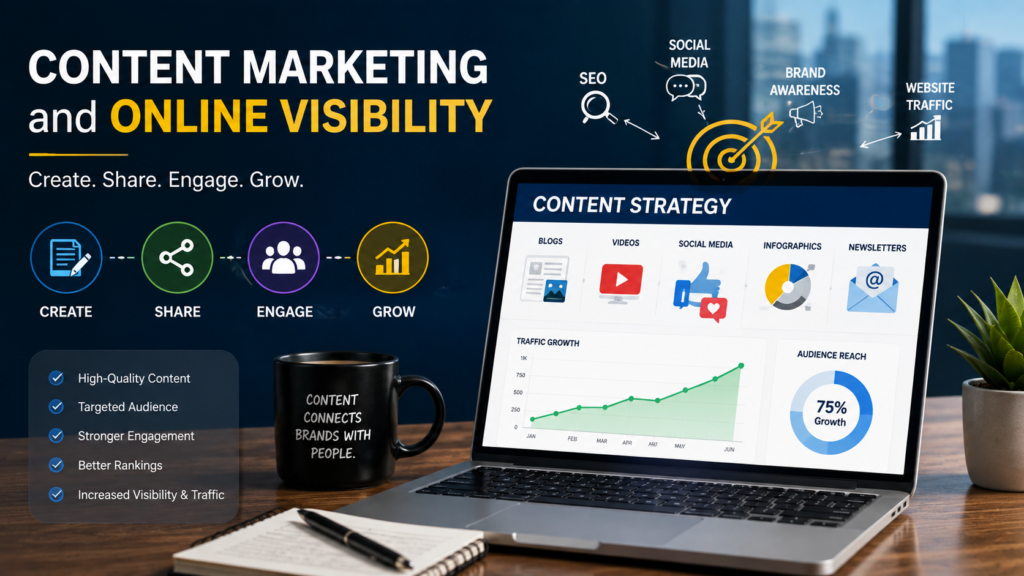
Content marketing plays an important role in helping businesses communicate their knowledge and answer questions from potential customers. Articles, guides, service pages, tutorials, case studies and educational resources can all form part of a well-planned content strategy. Good content should be created around genuine audience needs rather than produced simply to increase the number of pages on a website. Useful information can strengthen visibility while also helping readers make informed decisions.
For a platform such as Team Aelftech com, content is especially relevant because technology and marketing subjects often involve questions that require explanation. A well-written guide can introduce a complex topic in accessible language, while more detailed resources can support professionals who need practical information. When content is original, accurate and clearly structured, it can serve both readers and search engines while contributing to a stronger overall online presence.
Web Development and WordPress
Website development provides the technical foundation for many digital marketing campaigns. A website needs to be fast, responsive, secure and easy to navigate if it is going to turn visitors into engaged users or customers. Poor design, slow loading times, confusing menus or broken functionality can undermine otherwise strong marketing efforts. For this reason, development should be considered an important part of any comprehensive digital strategy.
WordPress is widely used by businesses, publishers and organisations because it provides a flexible content management environment. WordPress websites can be customised through themes, plugins and development work, although careful maintenance is essential for security and performance. When considering Team Aelftech com and related web services, businesses should pay attention not only to appearance but also to mobile responsiveness, page speed, accessibility, technical SEO and ease of content management.
Technology and Engineering
Technology and engineering form the infrastructure behind many of the digital services people use every day. Websites, databases, cloud platforms, applications, security systems and analytics tools all depend on technical planning and reliable implementation. Although customers may not always see the engineering behind a digital product, its quality can directly influence performance, reliability and user experience. A strong technical foundation therefore supports many activities associated with successful digital operations.
The connection between technology and marketing is becoming increasingly important. A marketing campaign may bring visitors to a website, but technology determines how effectively that website serves them. Fast pages can improve usability, analytics can provide valuable performance information, and secure systems can help protect both businesses and customers. This relationship helps explain why Team Aelftech com is relevant to a broader conversation about digital marketing, technology and modern business development.
How Digital Marketing and Technology Work Together
Digital marketing and technology are most effective when they are planned around common business goals. SEO can attract organic visitors, content can answer their questions, web development can improve their experience, and analytics can show what happens after they arrive. PPC can provide additional visibility, while carefully designed landing pages can help convert relevant visitors into enquiries or customers. Each discipline has a distinct role, but the strongest results often come from coordination.
A practical digital growth strategy can begin with an audit of the existing website and a clear understanding of the target audience. Businesses can then identify important search topics, improve technical performance, create useful content and select appropriate marketing channels. Regular measurement should follow implementation so that the strategy can evolve according to real evidence. This approach is more reliable than treating digital marketing as a one-time project that requires no further improvement.
Why Businesses Need Digital Marketing Services
Customers increasingly use search engines, websites, social media and online reviews when researching products and services. This makes digital visibility an important consideration for businesses of almost every size. A company with useful information and a technically reliable website has more opportunities to be discovered, evaluated and contacted by potential customers. Digital marketing helps businesses compete for this attention through organic search, paid advertising, content and other online channels.
The benefits of digital marketing should always be connected to practical objectives. One business may want more qualified leads, while another may prioritise online sales, brand awareness or stronger search visibility. Factors such as competition, industry, budget, website quality and audience behaviour can influence results significantly. Rather than expecting instant success, businesses should establish realistic goals and use performance data to determine which activities deserve additional investment and attention.
Evaluating Digital Marketing and Technology Services
Anyone researching Team Aelftech com or considering a digital service provider should examine more than a list of available services. Experience, technical capability, communication, reporting and previous work can all provide useful indicators when evaluating a provider. Businesses should understand what is included within a service, what outcomes are being targeted and how progress will be measured. Clear expectations at the beginning can reduce confusion later.
Transparency is particularly important when evaluating SEO services. No genuine provider can guarantee that a website will permanently hold the number-one position on Google because search results are influenced by competition, algorithms, content quality and many changing factors. A more credible approach focuses on sustainable optimisation, useful content, technical improvements and measurable progress. Businesses should favour realistic strategies that prioritise long-term value rather than dramatic promises that cannot be guaranteed.
Choosing the Right Digital Strategy
There is no single digital marketing strategy that works identically for every organisation. A local business may need to concentrate on local search visibility and reputation, while an online retailer may benefit from product optimisation, content marketing, technical SEO and paid advertising. Professional service firms may require authoritative educational content and strong landing pages designed to generate qualified enquiries. The right approach depends on the audience, market, objectives and available resources.
Businesses should begin by understanding what their potential customers actually need. Researching common questions, search behaviour and purchasing concerns can reveal opportunities for useful content and targeted campaigns. Once these needs are understood, SEO, PPC, website development, social media and content marketing can be prioritised according to their potential value. This audience-first approach can make digital activity more focused, measurable and relevant rather than relying on trends without a clear business purpose.
Measuring Digital Marketing Performance
Measurement is essential for understanding whether a digital strategy is producing meaningful progress. Website traffic can reveal whether visibility is increasing, while engagement and conversion data can indicate whether visitors are taking valuable actions. For paid advertising, metrics such as cost per click, conversion rate, cost per acquisition and return on advertising spend can help businesses assess efficiency. SEO campaigns can also monitor organic traffic, keyword visibility and the performance of important pages.
Data becomes most valuable when it leads to action. If a page receives strong search traffic but generates few enquiries, its content, calls to action or user experience may need improvement. If a PPC campaign produces many clicks but few conversions, targeting or landing-page relevance could be the issue. Regular analysis allows businesses to identify these opportunities and refine their strategy. This continuous process can make digital marketing more efficient as knowledge accumulates.
The Future of Digital Marketing and Technology
The relationship between technology and digital marketing is likely to become even closer as businesses adopt new tools and platforms. Artificial intelligence, automation, advanced analytics, changing search experiences and evolving customer expectations are already influencing the way digital strategies are planned. Businesses will need to adapt while maintaining the fundamentals that remain important, including useful information, strong technical performance, clear communication and a positive user experience.
For anyone researching Team Aelftech com, this broader perspective is valuable because digital success is rarely dependent on one service alone. SEO, web development, content, advertising, analytics and technology can all contribute to a connected digital ecosystem. Businesses that focus on genuine audience needs and continuously improve their online infrastructure will be better positioned to respond to changing search behaviour and emerging technology.
Conclusion
Team Aelftech com represents a topic at the intersection of digital marketing, technology, web development and engineering. Understanding these areas provides useful context for businesses and professionals looking to strengthen their online presence. SEO can improve organic visibility, PPC can provide targeted exposure, content can educate audiences, and reliable web development can create the technical foundation needed to support these activities effectively.
The most successful digital strategies are generally built around clear objectives, audience understanding, quality content, technical reliability and ongoing measurement. Businesses should evaluate digital services carefully, avoid unrealistic promises and focus on sustainable improvements that can create long-term value. Whether the goal is better search visibility, stronger website performance or more effective online marketing, an integrated approach can provide a practical foundation for continued digital growth.
Frequently Asked Questions
What is Team Aelftech com?
Team Aelftech com is a digital platform and knowledge hub covering technology, digital marketing, SEO, PPC, content marketing, web development and engineering-related subjects.
What services are associated with Team Aelftech com?
Services associated with Team Aelftech com include SEO, PPC advertising, content marketing, social media marketing, website development and WordPress-related solutions.
Does Team Aelftech com focus on SEO?
Yes, SEO is an important digital marketing area associated with Team Aelftech com, covering keyword research, content optimisation, technical SEO and internal linking.
Why is web development important for digital marketing?
Web development improves website speed, mobile usability, navigation, security and technical performance, creating a stronger foundation for SEO and digital marketing.
Can SEO guarantee the number-one Google position?
No, SEO cannot guarantee a permanent number-one Google ranking because search results depend on competition, algorithms, relevance, content quality and other factors.
How should businesses evaluate a digital marketing provider?
Businesses should assess experience, expertise, previous work, communication, reporting, pricing, service quality and the methods used to achieve measurable objectives.
Also Read: erikkapost com