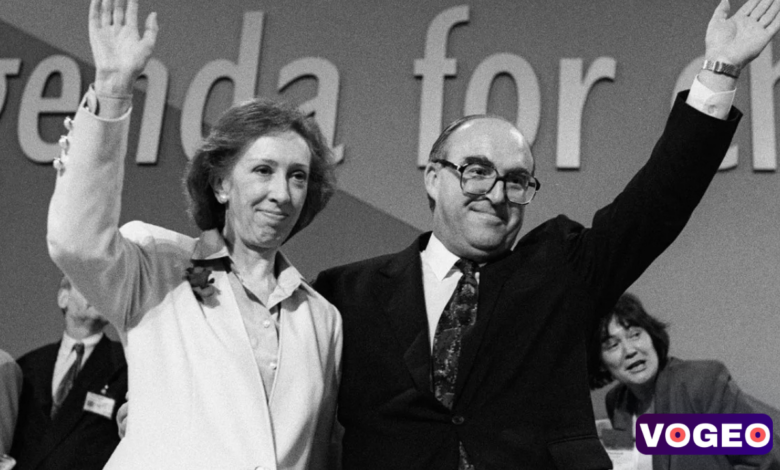
John Smith Labour remains one of the most respected names in modern British politics. Although he never became Prime Minister, his influence on the Labour Party and the wider political landscape continues to be recognised decades after his death. Known for his integrity, intelligence, and commitment to public service, John Smith played a crucial role in rebuilding Labour during a challenging period. His leadership style combined economic responsibility with a strong belief in social justice, making him a trusted figure among colleagues and the public alike.
The story of john smith labour is about more than political achievements. It is also a story of determination, reform, and lasting influence on British democracy. From his early years in Scotland to becoming Leader of the Labour Party, Smith demonstrated a calm and thoughtful approach to leadership. His sudden death in 1994 shocked the nation, but his ideas continued to shape Labour’s future direction and helped lay the foundations for the party’s later electoral success.
Who Was John Smith Labour?
John Smith was born on 13 September 1938 in Dalmally, Argyll, Scotland. Growing up in a supportive family, he developed strong values centred on honesty, fairness, and public service. His father was a respected schoolteacher, while his upbringing encouraged education and community involvement. These early experiences helped shape the character that later earned admiration across the political spectrum. Even before entering politics, Smith showed remarkable intelligence and a natural ability to communicate with people from all backgrounds.
The journey of john smith labour truly began after studying law at the University of Glasgow. During his university years, he became interested in political debate and social issues affecting working people. After qualifying as a solicitor, he decided to pursue a career that would allow him to make a broader difference in society. His legal knowledge, combined with his passion for fairness, provided a strong foundation for a successful political career that would span more than twenty years.
Early Political Career
John Smith entered Parliament in 1970 after being elected as the Labour Member of Parliament for North Lanarkshire. From the beginning, he impressed senior colleagues with his calm manner, careful preparation, and deep understanding of economic matters. Unlike many politicians who relied on dramatic speeches, Smith earned respect through logical arguments and practical solutions. His ability to build consensus quickly established him as one of Labour’s rising stars during an important period in British politics.
Throughout the following decades, Smith served in several influential government and shadow cabinet roles. These included responsibilities relating to trade, energy, and economic policy, allowing him to gain valuable experience across different areas of government. His work demonstrated a balanced approach that combined economic discipline with a commitment to protecting public services. This reputation for competence and reliability made him one of the most trusted figures within the Labour Party and prepared him for greater leadership responsibilities.
John Smith Labour Leader
Following Labour’s defeat in the 1992 General Election, Neil Kinnock resigned as party leader, creating an opportunity for new leadership. John Smith won the leadership contest with strong support from Labour members and MPs who believed he was the right person to restore confidence in the party. At a time when Labour faced significant political challenges, Smith offered stability, experience, and a clear vision for rebuilding public trust.
As john smith labour leader, he focused on modernising the party while remaining faithful to Labour’s traditional values of equality and opportunity. He promoted constitutional reform, stronger democratic accountability, and sensible economic policies designed to appeal to a broad range of voters. His leadership style was measured rather than confrontational, helping to unite different sections of the party and improve Labour’s standing with the British public.
Leadership Style and Political Vision

One of John Smith’s greatest strengths was his ability to combine principle with practicality. He believed that successful political leadership required honesty, competence, and careful decision-making rather than dramatic promises. His speeches reflected thoughtful analysis and a genuine desire to improve people’s lives through effective government. This approach earned him respect not only from Labour supporters but also from political opponents who admired his professionalism.
Smith also believed that the Labour Party needed to evolve in order to remain relevant in changing political circumstances. He supported reforms that strengthened party democracy and encouraged wider participation among members. His vision balanced economic responsibility with social justice, showing that financial discipline and investment in public services could work together. These ideas would later influence many of the policies adopted by future Labour governments.
Major Policies and Achievements
During his leadership, John Smith championed several important reforms that demonstrated his commitment to improving British democracy. One of his most significant achievements was promoting changes to Labour’s internal voting system, reducing the influence of trade union block votes and giving ordinary party members a stronger voice. This reform helped modernise Labour and prepared it for future electoral success by creating a more representative decision-making process.
Beyond internal party reforms, Smith consistently argued for constitutional changes, greater transparency in government, and responsible economic management. He believed Britain needed stronger democratic institutions that better reflected public opinion and encouraged political accountability. Although his time as leader was tragically short, many of the ideas he promoted were later implemented by Labour governments, confirming the lasting value of his political vision.
John Smith Labour Daughters and Family Life
Despite his demanding political career, John Smith placed enormous importance on family life. He married Elizabeth Smith in 1967, and together they built a close and supportive family while balancing the pressures of public service. Friends and colleagues often described him as a devoted husband and father who valued time spent with his family away from the demands of Westminster. His personal warmth contributed greatly to the respect he received throughout his career.
Many readers search for information about john smith labour daughters because they are interested in his personal life as well as his political achievements. John and Elizabeth had three daughters, who largely remained out of the public spotlight throughout their father’s career. Following his death, the family continued to honour his legacy while maintaining the privacy that John Smith had always valued. Their quiet dignity reflected the same principles of integrity and respect that defined his public service.
John Smith Labour Leader Death
The sudden john smith labour leader death on 12 May 1994 marked one of the most significant moments in modern British political history. John Smith suffered a fatal heart attack at his London home at the age of 55, bringing an abrupt end to a career that many believed would eventually lead him to Downing Street. His passing came at a time when Labour was rebuilding under his steady leadership, making the loss particularly devastating for party members and supporters across the United Kingdom.
News of his death spread quickly and prompted an outpouring of grief from politicians, journalists, and members of the public. Tributes came not only from Labour colleagues but also from political opponents who respected his honesty, intelligence, and commitment to public service. His funeral in Scotland attracted widespread attention and served as a reminder of the profound impact he had made during his years in Parliament. Even decades later, his passing is remembered as a defining moment in British politics.
How Did John Smith Labour Leader Died?
Many people continue to search for the question, how did john smith labour leader died, because of the unexpected nature of his passing. The official cause of death was a severe heart attack. Smith had previously experienced heart-related health problems, including an earlier heart attack several years before becoming Labour leader. Although he returned to work with determination, the demands of leading the opposition placed considerable pressure on both his physical health and daily routine.
Medical professionals have often highlighted that stress can increase the risk of heart disease, particularly for individuals with existing cardiovascular conditions. While it is impossible to know every contributing factor, John Smith’s demanding political responsibilities undoubtedly required long working hours and constant public engagement. His death highlighted the importance of recognising health risks while serving in high-pressure leadership positions and remains an important part of discussions about his remarkable life.
John Smith’s Political Legacy
The legacy of john smith labour extends far beyond the years he spent leading the Labour Party. Although he never became Prime Minister, many historians believe his leadership helped transform Labour into a more credible and electable political force. His commitment to constitutional reform, responsible economic policies, and internal party modernisation created a stronger foundation for future success. These changes influenced Labour’s direction long after his death and contributed to the party’s renewed public confidence.
Smith’s emphasis on integrity and fairness continues to inspire politicians from different political traditions. He believed that leadership required honesty, respect for democratic institutions, and a willingness to place the national interest above personal ambition. These values remain highly relevant in contemporary politics, where trust in public figures is often questioned. His reputation has therefore grown stronger over time, with many historians describing him as one of the finest leaders Britain never had as Prime Minister.
Influence on the Labour Party
John Smith’s influence on Labour continued even after his death because many of his ideas shaped the party’s future development. His reforms to Labour’s internal voting system strengthened democracy within the organisation and encouraged wider participation among ordinary members. These changes helped modernise the party and made it more responsive to the expectations of both supporters and the wider electorate.
Many political commentators also argue that Smith created the conditions which allowed Labour to achieve its historic general election victory in 1997. His leadership restored credibility after years of electoral disappointment and demonstrated that Labour could combine economic responsibility with social justice. Although Tony Blair ultimately led the party into government, many of the reforms introduced during Smith’s leadership formed an important part of Labour’s journey towards electoral success.
Why John Smith Still Matters Today
More than three decades after his death, John Smith continues to be remembered as a politician of exceptional character and ability. His calm approach to leadership, careful decision-making, and genuine concern for public service distinguish him from many political figures of his generation. Rather than relying on dramatic rhetoric, he earned public respect through thoughtful debate, practical solutions, and unwavering personal integrity.
Modern political discussions frequently refer to Smith as an example of principled leadership. His commitment to fairness, democratic reform, and responsible government remains relevant in today’s political environment. Younger generations studying British political history often discover that his influence extended well beyond his relatively short period as Labour leader, demonstrating that lasting political impact depends on ideas and values as much as time spent in office.
Conclusion
John Smith’s life represents a remarkable chapter in the history of British politics. From his early upbringing in Scotland to becoming Leader of the Labour Party, he consistently demonstrated intelligence, integrity, and a deep commitment to serving the public. His political career reflected a belief that government should promote fairness, economic stability, and democratic accountability while remaining focused on improving the lives of ordinary people.
Although his death in 1994 prevented him from fulfilling what many believed would be his destiny as Prime Minister, his influence has endured through the reforms he championed and the example he set as a leader. The story of john smith labour continues to inspire historians, politicians, and citizens who value principled leadership. His legacy remains an important part of Britain’s political heritage and serves as a lasting reminder that honesty, dedication, and vision can shape a nation’s future.
Frequently Asked Questions
Who was John Smith in the Labour Party?
John Smith was a British politician who served as Leader of the Labour Party and Leader of the Opposition from 1992 until his death in 1994.
When did John Smith become Labour leader?
He became Leader of the Labour Party in July 1992 after Neil Kinnock resigned following the General Election.
How did John Smith Labour leader died?
John Smith died from a severe heart attack on 12 May 1994 at his home in London.
What was John Smith’s cause of death?
The official cause of death was a heart attack. He had experienced previous heart-related health problems before his sudden passing.
Did John Smith have children?
Yes. John Smith and his wife, Elizabeth Smith, had three daughters.
Who succeeded John Smith as Labour leader?
Following John Smith’s death, Tony Blair was elected Leader of the Labour Party in July 1994.
Was John Smith ever Prime Minister?
No. Although many believed he could have become Prime Minister, his sudden death ended his political career before he had the opportunity.
Why is John Smith still remembered today?
He is remembered for his integrity, constitutional reforms, responsible leadership, and the lasting influence he had on the future direction of the Labour Party and British politics.
Also Read: admiral law