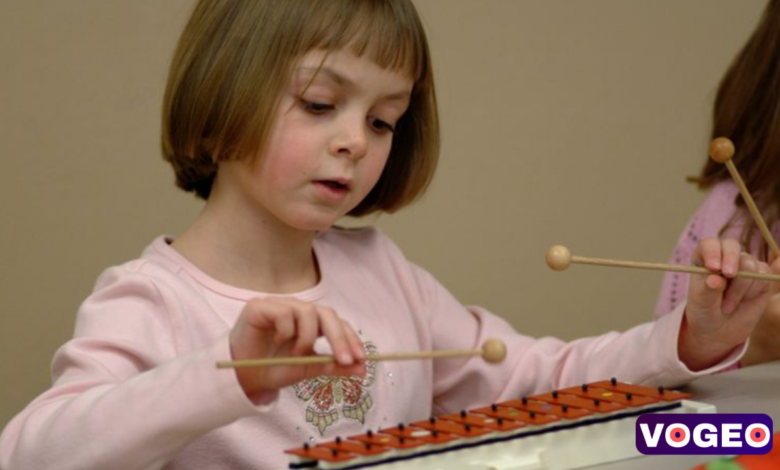
A glockenspiel is a fascinating percussion instrument recognised for its bright, sparkling, and bell-like tone. It is made from carefully tuned metal bars arranged in a pattern similar to a piano keyboard. Musicians create sound by striking these bars with special beaters, producing clear musical notes that can be heard in orchestras, school performances, marching bands, and many other musical settings. The unique sound of the glockenspiel makes it a popular choice for adding colour and character to compositions.
The meaning of glockenspiel comes from the German language, where it translates to “bell play”. This name reflects the instrument’s traditional connection with bells and its ability to produce a ringing sound. Unlike ordinary percussion instruments that mainly provide rhythm, the glockenspiel instrument creates specific pitches, allowing musicians to perform melodies. Its simple design and beautiful sound have made it an important part of music education and professional performances around the world.
History and Origins of the Glockenspiel
The history of the glockenspiel stretches back many centuries, beginning with early European bell instruments. Musicians originally used small tuned bells to create musical patterns, but these instruments were often difficult to transport and maintain. Over time, metal bars replaced the bells, creating a lighter and more practical design while preserving the bright, ringing quality that made the instrument special.
During the development of classical music, the glockenspiel became increasingly popular among composers and orchestras. Its magical and delicate sound was often used to highlight important musical moments. Today, it continues to appear in classical compositions, film soundtracks, theatre productions, and educational programmes. The instrument’s long history shows its ability to adapt while maintaining its unique musical identity.
Parts of a Glockenspiel and How It Works
A modern glockenspiel consists of several important components that work together to create its distinctive sound. The main feature is the collection of metal bars, usually made from aluminium or steel, which are arranged according to musical notes. Each bar is carefully tuned, with smaller bars producing higher sounds and larger bars creating lower tones. This arrangement allows players to perform melodies in a similar way to a keyboard instrument.
Another essential part is the glockenspiel beaters, which are used to strike the bars and create sound. Different materials used in beaters can slightly change the tone produced, giving musicians more control over their performance. Some beaters create a sharper sound, while softer options produce a smoother tone. Understanding the parts of the instrument helps beginners improve their technique and achieve better musical results.
Different Types of Glockenspiel
There are several types of glockenspiels available, each designed for different purposes and levels of experience. Professional orchestral models are commonly used by skilled musicians because they provide excellent sound quality and accurate tuning. Marching glockenspiels are designed for mobility and are often attached to a frame, allowing performers to play while walking during parades and outdoor events.
A wooden glockenspiel is often associated with beginner-friendly instruments and educational use. These models are popular among children and music students because they are lightweight, simple to handle, and encourage early musical learning. Although traditional professional glockenspiels mainly use metal bars, beginner models are available in various designs to suit different learning needs and preferences.
Glockenspiel vs Xylophone: Understanding the Difference
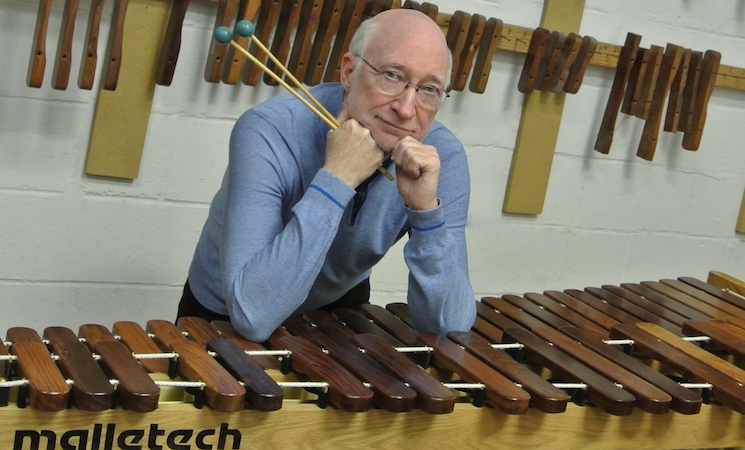
The comparison between glockenspiel vs xylophone is common because both instruments look similar and are played using beaters. However, the main difference between xylophone and glockenspiel is the material used for their bars. A glockenspiel uses metal bars, creating a bright and sharp tone, while a xylophone uses wooden bars that produce a warmer and deeper sound.
Choosing between a xylophone or glockenspiel depends on the type of music a person wants to create. The glockenspiel is often preferred when a composer needs a clear, high-pitched sound that stands out in an arrangement. A xylophone is usually chosen for richer melodies and stronger rhythmic performances. Both instruments are valuable, but their different tones make them suitable for different musical styles.
How to Play a Glockenspiel
Learning how to play a glockenspiel is enjoyable for beginners because the instrument has a straightforward layout. Players use two beaters to strike individual metal bars while following musical notes. The arrangement of the bars is similar to piano keys, which makes it easier for students to understand melodies and practise simple songs. Regular practice helps improve timing, accuracy, and confidence.
Beginners should start by learning basic glockenspiel notes and simple musical patterns. Developing good hand control and using gentle movements will create a cleaner sound. Practising scales, easy melodies, and rhythm exercises can gradually improve playing ability. With patience and consistent practice, beginners can quickly develop the skills needed to perform more advanced music.
Glockenspiel Music and Popular Songs
Glockenspiel music is widely used because of its cheerful and magical tone. Composers often include the instrument in orchestral pieces, children’s songs, educational music, and modern recordings. Its bright sound can create a feeling of excitement, wonder, or elegance, making it useful for many different musical situations.
Many beginners enjoy learning glockenspiel songs because the instrument allows them to play recognisable melodies quickly. Simple tunes help new players understand rhythm and note positions while building confidence. As musicians become more experienced, they can explore more complex compositions and use the instrument creatively in different styles of performance.
Online Glockenspiel Learning Options
An online glockenspiel is a convenient way for beginners to explore the instrument without purchasing a physical model. Virtual versions allow users to play notes through a computer keyboard, mobile device, or touchscreen. These online tools are useful for practising note recognition, experimenting with melodies, and learning basic musical concepts from anywhere.
Although a glockenspiel online cannot completely replace the experience of playing a real instrument, it provides an excellent starting point. Teachers can use virtual versions during lessons, while students can practise whenever they have access to the internet. These digital options have made learning music more accessible for people around the world.
Choosing the Right Glockenspiel to Buy
When searching for a glockenspiel for sale, buyers should consider their experience level, budget, and intended use. Beginners may prefer smaller instruments with fewer notes because they are easier to manage, while professional musicians often choose larger models with wider ranges and superior sound quality. The quality of the bars and beaters can greatly influence the playing experience.
A good glockenspiel should be durable, accurately tuned, and comfortable to play. Buyers should also consider whether they need a classroom model, performance instrument, or portable option. Choosing the right instrument ensures better learning progress and allows musicians to enjoy the beautiful sound of the glockenspiel for many years.
The Famous Munich Glockenspiel
The Munich Glockenspiel is one of the most famous examples of this instrument being used as a cultural attraction. Located in the New Town Hall at Marienplatz, Munich, it features moving figures and traditional melodies that attract thousands of visitors every year. The performance combines music, history, and architecture in a unique display.
The Munich glockenspiel represents the connection between European traditions and musical craftsmanship. While it is different from a standard playable instrument, it shows how the glockenspiel has become recognised beyond music halls and classrooms. Its popularity continues to introduce people around the world to this fascinating musical creation.
Conclusion
The glockenspiel is a remarkable instrument with a rich history, distinctive sound, and wide range of uses. From beginner lessons to professional performances, it provides musicians with an enjoyable way to explore melody and rhythm. Understanding its features, types, playing methods, and differences from similar instruments helps people make informed choices when learning or purchasing one.
Whether someone chooses a traditional instrument, a wooden glockenspiel for learning, or an online glockenspiel for practice, this percussion instrument offers endless creative possibilities. Its bright tone and simple design continue to inspire musicians of all ages, making it a timeless and valuable part of the musical world.
Frequently Asked Questions
What is a glockenspiel used for?
A glockenspiel is used in orchestras, marching bands, schools, and music performances to create bright and clear musical melodies.
Is a glockenspiel the same as a xylophone?
No, a glockenspiel and xylophone are different because a glockenspiel has metal bars, while a xylophone usually has wooden bars.
Is a glockenspiel easy to learn?
Yes, a glockenspiel is beginner-friendly because its notes are arranged similarly to a piano keyboard.
What does glockenspiel mean?
Glockenspiel is a German word that means “bell play”, referring to its bright bell-like sound.
What are glockenspiel beaters made from?
Glockenspiel beaters are commonly made from plastic, rubber, acrylic, or metal materials.
Can I play a glockenspiel online?
Yes, an online glockenspiel allows users to practise notes and melodies using a computer, tablet, or smartphone.
What is the difference between a xylophone and glockenspiel?
The main difference is that a xylophone uses wooden bars, while a glockenspiel uses metal bars with a sharper tone.
Where is the famous Munich Glockenspiel located?
The famous Munich Glockenspiel is located at the New Town Hall in Marienplatz, Munich, Germany.
Is a wooden glockenspiel good for beginners?
Yes, a wooden glockenspiel is often suitable for children and beginners because it is easy to handle and practise with.
How many notes does a standard glockenspiel have?
A standard glockenspiel can have different numbers of notes, but many beginner models include around two to three octaves.
Also Read: southway housing